Handyman Cost 2026: $60–$125/hr + 35 Job Prices — Get Free Local Quotes
Avg $75–$90/hr ($150–$250 min). 35 flat-rate jobs: ceiling fan $150–$275, TV mount $150–$300, toilet repair $100–$175, door hang $150–$250. 30–50% cheaper than a plumber or electrician. Get 3 free local quotes and compare before you hire.
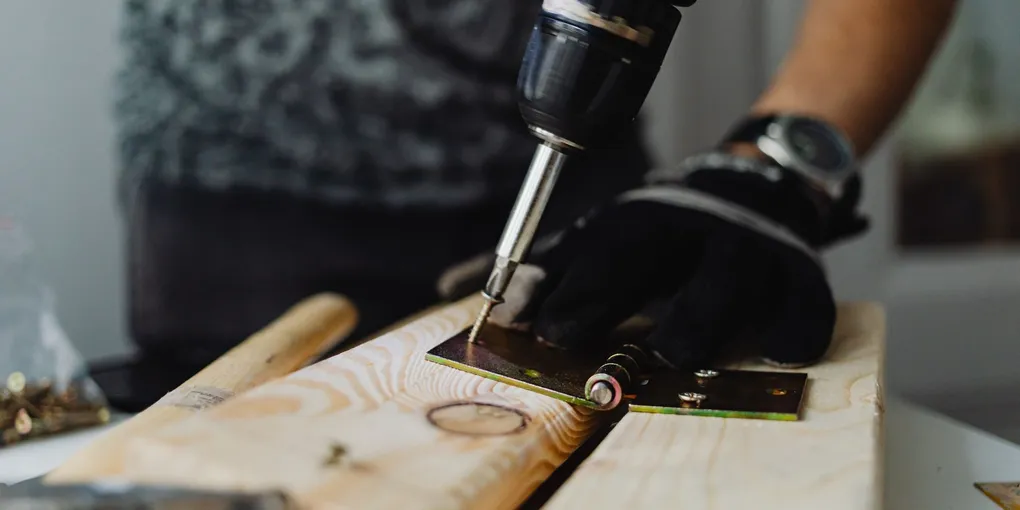
Handyman services cost $60-$125 per hour in 2026, with $75-$90 being the national average. Most handymen have a 1-2 hour minimum ($150-$250). Flat-rate jobs: hang 10 pictures $75-$150, assemble furniture $50-$150 per piece, fix a running toilet $100-$175, install a ceiling fan $150-$275, mount a TV $150-$300, paint a room $200-$500. Jobs requiring licensed trades (electrical beyond outlet swaps, plumbing beyond fixtures, HVAC work, roof repairs) can't legally be done by a handyman in most states. Compare 3 quotes for jobs over $500, get pricing upfront, and skip the handyman entirely for tasks like caulking, basic assembly, and picture hanging that are 30-60 minute DIYs.
Frequently Asked Questions
How much does a handyman cost per hour?
$60-$125 per hour in 2026, with $75-$90 as the national average. Urban coasts (Boston, NYC, SF, LA) run $90-$150/hour. Midwest and Southeast run $50-$85/hour. Most handymen have a minimum charge of 1-2 hours ($150-$250) plus a service call/trip fee ($50-$100) that may or may not be waived if you hire them. Franchise services (Mr. Handyman, Ace Handyman) run 20-40% higher than independent handymen but are bonded and guarantee work.
What jobs can a handyman legally do?
Most small repairs and installs: picture hanging, TV mounting, furniture assembly, drywall patches, painting, caulking, minor door adjustments, replacing light fixtures (not running new wiring), replacing faucets/toilets (not rerouting plumbing), installing cabinet hardware, assembling and mounting shelves, weatherstripping, replacing interior doors. Most states require licensed trades for: electrical beyond fixture swaps, plumbing beyond fixtures, HVAC installation, gas work, roof repairs over a certain threshold, structural changes, permit-requiring work.
Is a handyman cheaper than a contractor?
For small jobs: yes, substantially. Handyman charges $75-$125/hour; general contractors charge $100-$200/hour and often have higher minimums ($500-$1,000). Handymen come to do 1-3 small tasks in a morning; contractors manage larger projects. For jobs under $500-$1,000 of work, a handyman is usually the right call. For jobs over that — especially ones requiring permits, inspections, or multiple trades — a general contractor or specific licensed tradesperson is better.
How do I know if I'm being overcharged?
Always get 3 quotes for jobs over $500. Quotes should itemize labor hours, materials, and trip/call fees separately — refuse flat 'all-in' quotes that hide upsells. Ask about minimums, trip charges, and disposal fees upfront. Ask if the quote includes materials or if they'll be billed separately. Red flags: refusal to itemize, high-pressure to sign immediately, door-to-door solicitation, prices that seem too low (bait-and-switch).
Do I tip a handyman?
Tipping isn't standard for handyman services the way it is for restaurant or food delivery. For exceptional work (went above/beyond, worked through lunch, fixed extra small issues at no charge), a $10-$40 tip or a cold drink/snack is appreciated. For routine service at agreed-upon pricing, no tip is expected. Leaving a positive online review matters more than a tip for independent handymen building reputation.
What should I DIY instead of hiring a handyman?
Tasks under 1 hour with basic tools: picture hanging, minor caulking, cabinet hardware, curtain rods, basic furniture assembly, weatherstripping replacement, lightbulb changes (even odd fixtures), air filter changes, basic door adjustments (hinge screws, strike plate alignment), caulk around tubs/sinks, outlet cover replacement. Hiring for these costs $100-$200 minimum — the same tools pay off after 1-2 jobs. See our how-to library for the specific skills.
How much does TaskRabbit charge for a handyman?
TaskRabbit handymen charge $45-$125/hour depending on the tasker, task type, and city. TaskRabbit adds a 15% service fee on top of the tasker's rate, making the effective cost $52-$144/hour. Unlike local independents, there's no trip charge — you only pay for time worked. Taskers set their own rates; sort by price for budget options or by review count for reliability. Available in most major metro areas.
How much does a handyman charge for a full day?
Day rates run $450-$1,000 for 8 hours of work. Most handymen offer a flat day rate of $500-$800 if you can fill a full workday. Build a list of 6-10 deferred small tasks — hang pictures, mount a TV, assemble furniture, caulk a tub, patch drywall — and a full-day handyman visit covers all of them at a much lower per-task cost than scheduling multiple separate visits.
What is the average handyman hourly rate in San Francisco in 2026?
San Francisco handymen charge $90–$150 per hour in 2026. The typical self-employed independent averages $100–$130/hour; experienced operators with 5+ years run $120–$150/hour. Franchise services (Mr. Handyman, Ace Handyman) start at $150–$200/hour. Minimum charges are typically $200–$300 for a service visit. Bay Area rates are high due to California's contractor licensing requirements (CSLB license required for jobs over $500), plus the area's elevated cost of living and insurance overhead.
What is the typical handyman hourly rate in the US in 2026?
The national average handyman rate in the US is $75–$90 per hour in 2026. Most homeowners pay $150–$250 for a typical 2-hour visit including a service call fee. Rural areas average $45–$70/hour; large coastal cities (SF, NYC, LA, Boston) average $90–$150/hour; mid-sized cities average $65–$90/hour. Self-employed handymen charge 20–40% less than franchise services on average.
What do handymen charge per hour in New York City?
New York City handymen charge $80–$150/hour in 2026. Manhattan rates are highest at $100–$150/hour; outer boroughs (Brooklyn, Queens) average $80–$120/hour; Bronx and Staten Island run $70–$110/hour. Typical minimum charge is $200–$300. NYC does not require a handyman license (only general contractors), so many independent operators have lower overhead than California markets.
How much does a handyman charge per hour in Texas?
Texas handymen charge $65–$100/hour in 2026. Houston and Dallas run $70–$100/hour for experienced independents; Austin and San Antonio average $70–$95/hour; smaller Texas cities run $55–$80/hour; rural areas run $45–$70/hour. Texas does not require a handyman license for most jobs under $1,000, which keeps rates lower than coastal states. Minimum charges are typically $100–$200.
What is the handyman hourly rate in Los Angeles and Orange County in 2026?
Los Angeles and Orange County handymen charge $90–$150/hour in 2026. West LA and Beverly Hills run $110–$160/hour; the San Fernando Valley and East LA average $85–$130/hour; Orange County runs $90–$140/hour. California's $500 contractor license threshold pushes most experienced handymen to operate as licensed contractors, which is why rates approach San Francisco levels. Typical minimum charge is $175–$275.
What is the average handyman hourly rate in Boston in 2026?
Boston handymen charge $80–$135/hour in 2026. The metro core and Cambridge/Brookline run $90–$135/hour; suburbs in the Route 128 belt average $75–$110/hour. Massachusetts requires a Home Improvement Contractor (HIC) registration for most repair work over $1,000, which raises overhead compared to unlicensed-friendly states. Typical minimum charge is $175–$275.
What is the handyman hourly rate in Seattle in 2026?
Seattle handymen charge $75–$125/hour in 2026. Seattle city proper runs $80–$125/hour; the Eastside (Bellevue, Redmond, Kirkland) averages $85–$130/hour; Tacoma and the South Sound run $65–$95/hour. Washington state requires a contractor license for jobs over $1,500 but otherwise has minimal handyman licensing rules, keeping independent rates somewhat lower than California. Typical minimum charge is $150–$250.
How much do handymen charge per hour in Miami in 2026?
Miami handymen charge $65–$110/hour in 2026. Miami proper and Miami Beach run $70–$110/hour; Fort Lauderdale and Boca Raton average $65–$100/hour; West Palm Beach runs $60–$95/hour. Florida's competitive labor market and large base of independent tradespeople keep rates below the national coastal average. Typical minimum charge is $125–$225.
What is the handyman hourly rate in Denver in 2026?
Denver handymen charge $70–$110/hour in 2026. Denver city runs $75–$110/hour; Boulder runs $80–$120/hour due to higher cost of living; Colorado Springs averages $60–$90/hour. Denver's rapid population growth since 2020 has driven rates above the national average while remaining well below coastal cities like San Francisco and New York. Typical minimum charge is $150–$225.
How much does a handyman cost compared to a plumber or electrician?
A handyman costs $75–$90/hour on average vs $85–$200/hour for a licensed plumber and $80–$150/hour for a licensed electrician. For fixture-level work within a handyman's legal scope — replacing a faucet, swapping a light fixture, installing a toilet — a handyman is 30–50% cheaper. The tradeoff: handymen cannot legally do work requiring permits or licensed trades, and their work may not be backed by a licensed bond. Use a handyman for fixture swaps, minor repairs, and small installs; use a licensed pro for anything requiring a permit, system modifications, or work where a licensed bond matters for your homeowner insurance.
Can a handyman do plumbing repairs?
A handyman can legally perform basic plumbing fixture work in most states: replacing a faucet, installing a new toilet, replacing a shutoff valve on an existing supply line, fixing a running toilet (flapper, fill valve, handle), and replacing a P-trap under a sink. A licensed plumber is required for: running new supply or drain lines, any work inside walls, connecting to gas lines, water heater installation (in most states), sewer line work, and anything that requires a plumbing permit. The dividing line is usually 'replacing existing fixtures vs. modifying the plumbing system.' Always ask before hiring — a handyman who tells you they can re-route your drain without a license is a liability risk.
How do I find a reliable handyman?
Best sources ranked by reliability: (1) Nextdoor neighborhood recommendations — your neighbors have already vetted the handyman in your specific area, and reviews are tied to real identities. (2) Personal referrals from friends or family. (3) Google reviews with 4.5+ stars and 20+ reviews (read the 3-star reviews for honest feedback). (4) Angi (formerly Angie's List) or HomeAdvisor — useful but verify the reviews aren't paid placements. (5) Facebook community groups. Avoid: Craigslist (no vetting), door-to-door solicitors, and any handyman who can start immediately without a visit to scope the work. For jobs over $500: ask for proof of general liability insurance (a COI), references from prior clients, and confirm they've done the specific task type before.
A handyman costs $60–$125 per hour in 2026, with a national average of $75–$90/hr. Most handymen charge a 1–2 hour minimum ($150–$250). Common flat-rate jobs: hang 10 pictures $75–$150, assemble furniture $50–$150, install a ceiling fan $150–$275, mount a TV $150–$300, fix a running toilet $100–$175, caulk a tub $75–$150. Coastal cities (NYC, SF, LA) run $90–$150/hr; rural markets $50–$80/hr. For jobs under 30 minutes — picture hanging, caulking, cabinet hardware — a $60 cordless drill pays for itself after one task vs. a $150+ minimum charge.
Top DIY tools that replace common handyman calls:
- Cordless Drill/Driver — View on Amazon (furniture assembly, cabinet hardware, shelf mounting)
- Stud Finder — View on Amazon (required for TV mounts and heavy shelves)
- Drywall Patch Repair Kit — View on Amazon (fixes nail holes and small damage without a service call)
2026 Handyman Pricing at a Glance
Hourly Rates
| Region | Independent | Franchise (Mr. Handyman, Ace) |
|---|---|---|
| Urban coasts (NYC, SF, LA, Boston, DC) | $90-$150/hr | $120-$200/hr |
| Midwest, Southeast, Texas | $65-$95/hr | $85-$135/hr |
| Rural | $50-$80/hr | $75-$120/hr |
| National average | $75-$90/hr | $95-$140/hr |
Handyman Hourly Rates by City (2026)
The national average handyman rate in 2026 is $75–$90/hour. Rates vary by 2–3× depending on metro area, cost of living, and local licensing requirements. Here’s what to expect in major US cities:
San Francisco Handyman Hourly Rate (2026)
San Francisco and Bay Area handymen charge $90–$150/hour in 2026. The self-employed independent average is $100–$130/hour; experienced operators with 5+ years run $120–$150/hour. Franchise services (Mr. Handyman, Ace Handyman) start at $150–$200/hour.
| Provider Type | SF Bay Area Rate (2026) |
|---|---|
| Self-employed, less experienced | $90–$115/hr |
| Experienced independent (5+ years) | $110–$150/hr |
| Franchise service | $150–$200/hr |
| Typical minimum charge | $200–$300 |
Why SF rates are high: California requires a contractor license (CSLB) for jobs over $500, which means many Bay Area “handymen” are actually licensed contractors with higher overhead. Add the Bay Area’s elevated cost of living, insurance rates, and vehicle expenses, and $100–$130/hour is the going market rate.
New York City Handyman Hourly Rate (2026)
NYC handymen charge $80–$150/hour in 2026. Manhattan rates are highest ($100–$150); outer boroughs average $80–$120/hour.
| Area | NYC Rate (2026) |
|---|---|
| Manhattan | $100–$150/hr |
| Brooklyn / Queens | $80–$120/hr |
| Bronx / Staten Island | $70–$110/hr |
| Typical minimum charge | $200–$300 |
Texas Handyman Hourly Rate (2026)
Texas handymen average $65–$100/hour in 2026. Houston and Dallas run $70–$100/hour; smaller cities and rural areas run $45–$75/hour.
| Texas Area | Rate (2026) |
|---|---|
| Houston / Dallas | $70–$100/hr |
| Austin / San Antonio | $70–$95/hr |
| Smaller cities | $55–$80/hr |
| Rural Texas | $45–$70/hr |
| Typical minimum charge | $100–$200 |
Note: Texas does not require a handyman license for most jobs under $1,000, which keeps rates lower than California markets.
Chicago Handyman Hourly Rate (2026)
Chicago handymen charge $75–$120/hour in 2026. The city’s strong union presence keeps rates higher than most of the Midwest. Most independents charge $75–$100/hour; specialists run $100–$120/hour.
Louisiana / Rural Handyman Rates (2026)
Rural Louisiana (including Vernon Parish/Leesville area) handymen charge $45–$75/hour in 2026. Licensed contractors doing handyman work may charge $65–$95/hour. Minimum charges are typically $100–$150 for a service visit.
Los Angeles / Orange County Handyman Hourly Rate (2026)
Los Angeles and Orange County handymen charge $90–$150/hour in 2026. Like San Francisco, California’s $500 contractor license threshold means many experienced handymen operate as licensed contractors with higher overhead. Los Angeles rates are slightly below SF due to lower minimum wage requirements outside San Francisco city limits.
| Area | Rate (2026) |
|---|---|
| Los Angeles (West Side, Beverly Hills) | $110–$160/hr |
| Los Angeles (Valley, East LA) | $85–$130/hr |
| Orange County | $90–$140/hr |
| Typical minimum charge | $175–$275 |
Boston Handyman Hourly Rate (2026)
Boston handymen charge $80–$135/hour in 2026. Massachusetts has stricter contractor licensing rules than most states — licensed home improvement contractors (HIC) are required for most repair and remodel work over $1,000, which pushes effective market rates up.
| Area | Rate (2026) |
|---|---|
| Boston (metro core) | $90–$135/hr |
| Cambridge / Brookline | $90–$130/hr |
| Suburbs (Route 128 belt) | $75–$110/hr |
| Typical minimum charge | $175–$275 |
Seattle Handyman Hourly Rate (2026)
Seattle handymen charge $75–$125/hour in 2026. Washington state does not require a general handyman license (only a contractor license for jobs over $1,500), but Seattle’s high cost of living pushes market rates above the national average.
| Area | Rate (2026) |
|---|---|
| Seattle (city) | $80–$125/hr |
| Eastside (Bellevue, Redmond) | $85–$130/hr |
| Tacoma / South Sound | $65–$95/hr |
| Typical minimum charge | $150–$250 |
Miami / South Florida Handyman Hourly Rate (2026)
Miami handymen charge $65–$110/hour in 2026. Florida requires a licensed contractor for most work over $1,000, but many independent handymen operate legally below that threshold. South Florida’s bilingual market (Spanish/English) and high immigrant entrepreneurship keep independent rates below the national coastal average.
| Area | Rate (2026) |
|---|---|
| Miami / Miami Beach | $70–$110/hr |
| Fort Lauderdale / Boca Raton | $65–$100/hr |
| West Palm Beach | $60–$95/hr |
| Typical minimum charge | $125–$225 |
Denver / Colorado Handyman Hourly Rate (2026)
Denver handymen charge $70–$110/hour in 2026. Colorado’s tech-driven housing market has pushed rates above the national average over the past five years. Denver’s rapid population growth since 2020 has created high demand for handyman services.
| Area | Rate (2026) |
|---|---|
| Denver (city) | $75–$110/hr |
| Boulder | $80–$120/hr |
| Colorado Springs | $60–$90/hr |
| Typical minimum charge | $150–$225 |
National Average Handyman Rate (2026)
| Tier | 2026 Typical Range |
|---|---|
| US national average | $75–$90/hr |
| Large coastal cities (SF, NYC, LA, Boston) | $90–$150/hr |
| Mid-sized cities (Austin, Denver, Atlanta) | $65–$90/hr |
| Midwest / Southeast average | $60–$85/hr |
| Rural average | $45–$70/hr |
| Typical minimum charge (national) | $150–$250 |
Common Job Flat-Rate Pricing
| Job | Typical Cost |
|---|---|
| Picture hanging (10 pictures) | $75-$150 |
| Furniture assembly (bed, bookshelf, dresser) | $50-$150 per piece |
| TV mounting (wall mount install + hanging) | $150-$300 |
| Ceiling fan install (existing wiring) | $150-$275 |
| Ceiling fan install (new box + wiring) | $300-$500 |
| Paint a room (10x12, 1 coat, ceilings) | $200-$500 |
| Fix a running toilet | $100-$175 |
| Replace a faucet | $125-$225 |
| Replace a doorknob/handle | $40-$80 per door |
| Hang curtains (2-4 rods) | $75-$150 |
| Replace weatherstripping | $75-$150 |
| Patch drywall hole (small) | $100-$200 |
| Patch drywall hole (large, with paint) | $250-$500 |
| Install cabinet hardware | $100-$200 |
| Grout repair (small section) | $150-$300 |
| Caulk bathroom (full bathroom) | $175-$300 |
| Hang a heavy mirror | $75-$150 |
| Install a smoke detector | $35-$75 |
| Replace a light fixture | $100-$200 |
| Install a pet door | $250-$500 |
| Basic door adjustment/repair | $75-$150 |
Minimums and Fees
- Minimum charge: 1-2 hours ($150-$250) is standard
- Trip/service call: $50-$100 (may be waived if hired)
- Disposal fee: $25-$75 (for hauling away debris)
- Emergency/after-hours: +50-100% surcharge
- Same-day: +25-50% surcharge
When Handyman vs Specialist Trade
Handyman Is Fine For
- Picture hanging, shelf mounting, TV mounting
- Furniture assembly
- Caulking (bathtubs, showers, sinks, windows)
- Painting (small projects)
- Weatherstripping
- Replacing light fixtures (existing wiring)
- Replacing faucets, toilets, showerheads (existing connections)
- Drywall patches under a certain size
- Door adjustments, hinge tightening, strike plate alignment
- Cabinet hardware
- Basic deck board replacement
- Hanging curtains/blinds
- Minor roof repairs (single shingle replacement on low-pitch roof — state-dependent)
- Grout repairs
Licensed Electrician Required For
- Installing new electrical circuits
- Subpanel work
- Anything behind drywall involving wire runs
- Generator transfer switches (in most states)
- EV charger install (in most states)
- Whole-home smart wiring
- Aluminum wire remediation
- Service upgrade (100A to 200A panel)
See our full electrician cost guide for a complete breakdown of 2026 rates and common flat-rate jobs.
Expect $75-$150/hour plus materials; minimum visit $150-$300.
Licensed Plumber Required For
- Anything involving cut pipe behind walls
- Main water line repair
- Sewer line repair
- Gas line work
- Water heater install (permit-requiring in most states)
- Whole-home repipes
- Septic work
Expect $75-$175/hour plus materials; minimum visit $150-$350.
HVAC Tech Required For
- Refrigerant charging/recharging
- Compressor replacement
- Duct modifications
- New system installation
- Ductwork cleaning (NADCA-certified)
- Thermostat wiring for heat pumps
Expect $100-$200/hour plus materials; minimum visit $200-$500.
Roofer Required For
- Anything on a roof with pitch over 6:12 (steep)
- Multiple shingle replacement
- Flashing repairs
- Full roof replacement
Expect $150-$350/hour (often flat per-job); typical repair $250-$800.
The liability risk of hiring a handyman to do specialist work: if the work fails and causes damage, your homeowners insurance can deny the claim because the work wasn’t done by a licensed professional. Skip this risk by matching the task to the right trade.
What Drives Handyman Costs Up or Down
Understanding what makes one handyman quote higher than another helps you evaluate bids and avoid surprises:
Factors that increase cost:
- Urban location — labor and insurance are more expensive in high-cost metros
- Emergency or same-day service — +25–100% over standard rates
- Work requiring a permit — adds permit fees ($75–$500) and inspection requirements
- Jobs above the licensed contractor threshold — California ($500), Massachusetts ($1,000), Washington ($1,500) — once the job crosses these limits, a licensed contractor must do the work, and their rates are higher
- Seasonal demand — late spring through early fall is peak season; the same job may cost 10–20% more in June–August vs. January–February
- High ceilings or difficult access — ladder work, attic access, confined spaces
- Combination tasks that require different skill sets (carpentry + plumbing + painting in one visit)
Factors that reduce cost:
- Day rate discounts — booking a full day of work ($500–$1,000 flat) vs. multiple separate visits
- Off-season scheduling — January–March is the slowest period for most handymen; they’re more likely to negotiate or reduce minimums
- Supplying materials yourself — eliminates the 10–30% markup on materials
- Existing relationship — repeat customers often get priority scheduling and reduced fees
- Multiple tasks on one visit — the trip fee is a fixed cost; adding more jobs to one visit drops the per-task cost
Questions to Ask When Getting a Handyman Quote
Asking the right questions on the first call sorts out the professional handymen from the problematic ones quickly:
- What is your hourly rate and what is your minimum charge? — Know the floor before discussing scope.
- Is the trip fee separate, or applied to the job total? — Common practice varies; some waive the trip fee if hired, others don’t.
- Are you insured? Can you provide a COI? — Non-negotiable for any job over $200.
- Are you licensed for this type of work in this state? — Particularly important for California, Massachusetts, Washington DC, and other regulated markets.
- Do you supply materials, or should I have them ready? — Either works, but clarify markup vs. supply-it-yourself before work starts.
- How do you handle additional issues discovered during the job? — The answer should be “I call you for approval before proceeding.”
- Do you offer a warranty on your work? — Reputable handymen warranty their labor for 30–90 days.
- When can you start? — Very short availability (immediate) can be a flag; in-demand handymen are typically booked 1–2 weeks out.
Red flag answers: refusal to provide insurance documentation, inability to give a clear hourly rate, claiming they don’t need a license for work that clearly requires one in your state.
How to Get Fair Pricing
Step 1: Get Three Quotes
For any job over $500, call three handymen. Describe the work clearly — photos and measurements help.
Written quotes should include:
- Labor hours estimated
- Labor rate per hour
- Materials (or note who supplies)
- Trip/call fee
- Disposal fee
- Minimum charge policy
- Warranty terms
Quotes from honest handymen usually agree within 20%. If one is 40%+ lower than others, the handyman underestimated scope (you’ll be hit with additional charges) or is cutting quality.
Step 2: Check Credentials and Reviews
- Google reviews: 20+ reviews averaging 4.5+ stars is solid baseline
- Yelp + Nextdoor: local perspectives
- BBB: check for complaints pattern
- Ask for insurance: general liability coverage protects you if damage occurs. Ask for a COI (Certificate of Insurance).
- Franchises (Mr. Handyman, Ace): come with insurance by default but charge 20-40% more than independents
Step 3: Clarify Scope
Before the job starts:
- Exactly what’s being done
- Total estimate (hours + rate + materials + fees)
- What happens if additional issues found (call for approval?)
- Expected completion time
- How payment is structured (after completion, by installment?)
Get it in writing — a text thread counts.
Step 4: Supply Some Materials
For commodity materials (screws, basic caulk, drywall compound), let the handyman supply — they add 10-30% markup but save you a trip.
For specific materials (exact matching caulk color, specific fixture model, premium paint), supply yourself. Ensures the right product and you avoid the markup on premium items.
Step 5: Inspect Before Paying
Walk through every task before paying:
- Paint: check edges, corners, full coverage
- Caulking: smooth, no gaps, properly tooled
- Hardware: test doors, drawers
- Electrical fixtures: test on/off, dimming if applicable
- Plumbing: run water several minutes, check for leaks
Once they leave with payment, getting them back is 10x harder.
DIY Instead of Hiring
Hiring a handyman for jobs under 1 hour usually costs $150-$250 (minimum charge). The same task DIY:
| Task | Pro Cost | DIY Cost | Time |
|---|---|---|---|
| Hang 10 pictures | $100-$150 | Free (have hammer, picture hangers $8) | 30 min |
| Assemble a bookshelf | $75-$100 | Free (included tools) | 45 min |
| Replace a faucet | $125-$225 | $40-$150 (faucet) + your time | 60-90 min |
| Caulk a tub | $175-$300 | $10 (caulk) + your time | 60 min |
| Install outlet cover | $35-$75 | $1 (cover) + your time | 5 min |
| Hang curtains | $75-$150 | $15 (brackets) + your time | 30 min |
| Replace light fixture (same box) | $100-$200 | $30-$150 (fixture) + your time | 45 min |
For under-1-hour tasks, DIY almost always wins. See our how-to library for specific techniques.
Booking Platforms vs Local Handyman
| Platform | Rate Range | Best For | Downsides |
|---|---|---|---|
| TaskRabbit | $45-$125/hr + 15% fee | Quick single tasks, instant booking, no trip fee | Fee inflates cost, quality varies by tasker |
| Thumbtack | $60-$120/hr | Getting multiple quotes, larger projects | Less vetting than TaskRabbit |
| Angi (Angie’s List) | $70-$140/hr | Background-checked pros, dispute resolution | Sells your info to multiple contractors, expect 5-10 calls |
| Local independent | $60-$110/hr | Ongoing relationship, no platform markup | Harder to find vetted ones, no dispute resolution |
| Mr. Handyman / Ace | $90-$150/hr | First-time homeowners, insurance guarantee | 20-40% premium over independents |
Best platform by situation:
- One-off small task (hang TV, assemble furniture): TaskRabbit — easy booking, no trip fee, pay only for time
- Larger $500+ job: Get 3 quotes from local independents or Thumbtack
- First-time homeowner, unfamiliar with trades: Mr. Handyman or Ace Handyman — insured, predictable, guaranteed
- Same-day need: TaskRabbit or Angi dispatch faster than most independents
- Ongoing relationship: Find one reliable local handyman through Nextdoor or Google, skip the platform
Angi warning: Angi (formerly Angie’s List) sells your project details to multiple contractors the moment you submit. Expect 5-10 calls and texts within hours regardless of whether you want that. Use TaskRabbit or Thumbtack if you want to control who contacts you.
Red Flags to Avoid
- Door-to-door solicitation — legitimate handymen use standard channels (website, Google, local search, referrals)
- Pressure to sign today — real services don’t need urgency tactics
- Refusal to itemize — quality handymen break out labor, materials, fees
- Quotes under $100 for anything — bait pricing, expect upsells
- No insurance — dealbreaker for anything over $100
- No reviews online — legitimate handymen have digital footprints
- Vehicle with no logo — some independents don’t have logos, but combined with other flags = pattern
- Demanding full payment upfront — normal is payment on completion or small deposit for materials
When to Use a Franchise (Mr. Handyman, Ace Handyman)
Franchises cost 20-40% more but offer:
- Guaranteed insurance coverage
- Warranty on work
- Background-checked employees
- Scheduled appointment times (not “I’ll be there sometime Tuesday”)
- Professional dispatching and communication
Worth paying for:
- First-time homeowners unfamiliar with the trade
- Rental property owners
- Time-sensitive jobs
- Jobs over $1,000
Skip in favor of independents for:
- Simple tasks
- Tight budgets
- Established relationship with trusted local handyman
Hiring for Multiple Jobs
Handymen love day-rate jobs — they drive to one location, do 5-8 small tasks in a 6-8 hour day, and charge a flat day rate of $500-$1,000. This is great for homeowners who’ve been putting off small repairs.
Typical day-rate tasks list:
- Hang 15 pictures
- Mount a TV
- Assemble a dresser
- Tighten 3 wobbly door knobs
- Caulk a bathtub
- Replace 2 outlet covers
- Hang curtain rods in 2 rooms
- Patch a small drywall hole
All together: 8 tasks × ~1 hour each = full day = $500-$800. Per-task cost drops to $60-$100, dramatically cheaper than hiring separately.
DIY Tools Worth Owning
Even if you plan to hire most work, certain tools pay for themselves in 1-2 jobs:
- Cordless drill — picture hanging, assembly, cabinet hardware ($60-$150)
- Stud finder — makes picture/TV hanging safe ($20-$40)
- Level — anything on the wall ($10-$25)
- Caulk gun + silicone caulk — tub, sink, window caulk ($20)
- Socket set — furniture assembly, plumbing ($30-$60)
- Screwdriver set — everything ($15-$30)
See our new homeowner toolkit for a complete starter set.
Related Reading
- New Homeowner Toolkit — DIY tools that beat hiring for basic tasks
- How to Patch a Drywall Hole — one of the most common handyman jobs
- How to Fix a Running Toilet — $100-$175 job or 30-minute DIY
- How to Caulk a Bathtub — $175-$300 pro vs $15 DIY
- Window Repair Cost — glass repair and window mechanism fixes are common handyman jobs
- Drain Cleaning Cost — when the plumber is the right call instead
- Best Cordless Drills for Homeowners — single tool pays for itself fast
- Appliance Repair Cost — when the DIY fix fails; professional appliance repair runs $100–$400
- Dryer Vent Cleaning Cost — a common handyman job that prevents house fires; $100–$175
- Bathroom Exhaust Fan Installation Cost — another common handyman ventilation job; $150–$550
- Annual Home Maintenance Schedule — bundle small tasks for efficient handyman day-rate visits
- Kitchen Cabinet Painting Cost — cabinet painting is a common handyman upgrade job; $1,200–$7,000
- Determine if you actually need a handyman (vs specialist)
Handyman: cosmetic/small repairs, assembly, minor installations. Licensed electrician: anything involving running new wire or subpanel changes. Licensed plumber: anything inside walls, main line work, gas plumbing. HVAC tech: refrigerant, compressor, duct modifications. Roofer: anything on the roof beyond basic patching. A handyman doing electrical or plumbing work above their legal scope is a liability issue if something goes wrong (insurance won't cover, you're on the hook).
- Get 3 quotes for any job over $500
Call 3 local handymen. Describe the work clearly. Ask for an on-site estimate if the job is non-obvious. Get written quotes with itemized: labor hours, labor rate, materials (or who supplies), trip/call fee, disposal fee, minimum charge, warranty. Quotes should agree within 20%. If one is 40%+ lower, either the handyman underestimated scope or is cutting quality.
- Check reviews and credentials
Check Google reviews, Yelp, Nextdoor, and BBB. Look for detailed reviews (generic 5-star reviews can be fake). A handyman with 20+ reviews averaging 4.5+ stars is usually solid. Ask about insurance — general liability coverage protects you if the handyman damages your property. Franchise handymen (Mr. Handyman, Ace Handyman) come with coverage by default. Independents may or may not — ask to see their COI (certificate of insurance).
- Clarify scope and pricing before work starts
Before the handyman starts, confirm: scope (exactly what's being done), total estimate (hours + rate + materials + fees), what happens if additional issues are found mid-job (do they call you for approval?), and expected completion time. Get it in writing — a text message or email thread counts. This prevents 'while I was here I also fixed X that'll be another $300'.
- Supply or confirm materials
Decide who's buying the materials. You buy: you pay retail, but no markup. Handyman buys: they add 10-30% markup but save you a trip. For jobs with specific materials (colored caulk matching your grout, specific fixture model), supply them yourself to avoid the wrong product. For commodity materials (screws, drywall compound, basic tools), let the handyman supply.
- Be home during the first hour
Be present at least for the first 30-60 minutes to confirm the work matches your expectations. After that, you can leave if you trust the handyman, but many homeowners prefer to be home for the entire visit. Leaving pets, kids, and housekeepers with a handyman is a trust issue — many handymen refuse to work unsupervised in a home they don't know.
- Inspect work before paying
Walk through every task before the handyman leaves. For paint: check corners and edges. For caulking: check for gaps and smoothness. For hardware: test doors, drawers, shelves. For electrical: test fixtures. For plumbing: run water and check for leaks for several minutes. If anything isn't right, ask for it to be fixed before you pay. Once they leave with payment, getting them back is 10x harder.
- Leave a detailed review
For independent handymen, online reviews are their marketing. A detailed Google review (specific tasks, quality level, pricing fairness, whether they cleaned up, professional communication) is more helpful than a generic 'great job 5 stars'. This also helps the next homeowner verify quality. For bad service, review factually without hyperbole — hyperbolic bad reviews get flagged and removed.
Free: 10-Point Home Maintenance Checklist
Prevent costly repairs with this seasonal checklist. Save hundreds every year by catching problems early.
Your checklist is ready!
Open Checklist →Something went wrong. View the checklist here.